Crypto Market Crash, What Investors Should Actually Do When Prices Fall
Want articles like this for your own video to promote it on YouTube and Google? Order them through the Telegram bot @sat_sit_bot. It writes articles around your video, embeds the video and publishes them on popular niche websites (no ads). Try it free: 50 articles on us.
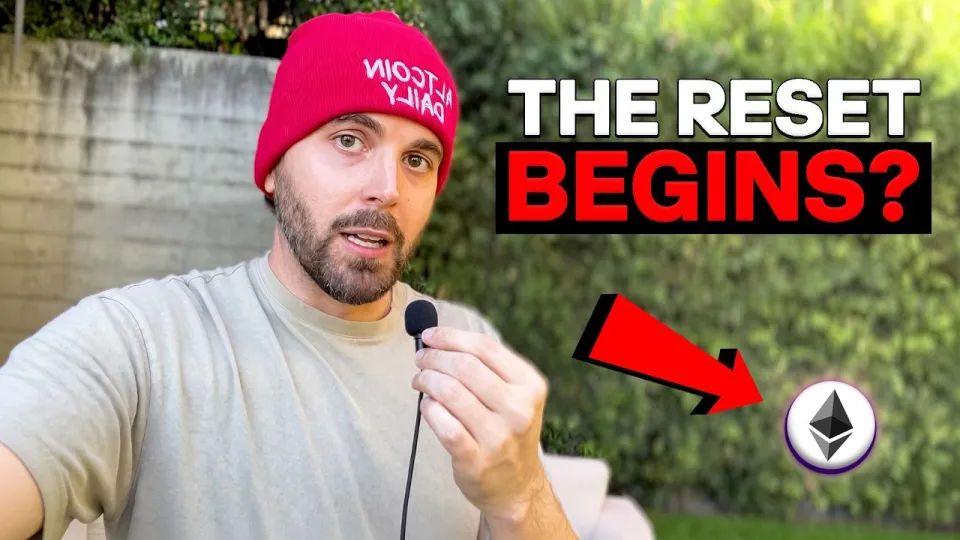
· based on the channel Altcoin Daily
A crypto market crash does not require a dramatic decision from most investors; it requires a plan written before prices fell. With Bitcoin trading around $80,707 on October 24, 2026 and a five-year compound annual growth rate of just 5.78%, the honest answer is that returns have been modest and volatility has been expensive, so the right response is to size positions, keep a cash reserve and buy in tranches rather than react to headlines. Viewers of Altcoin Daily can also pick up channel merchandise at the Altcoin Daily shop.
What a crypto crash actually means for a long-term holder
A crash is a price event, not a thesis event, and long-term holders should judge it by whether their original reasons for owning an asset still hold. The most common approach described by experienced holders is simple: stay invested, keep contributing on a schedule, and treat deep drawdowns as an opportunity to lower the average entry price. The arithmetic matters here. If Bitcoin's five-year CAGR is only 5.78% as of October 24, 2026, then buying at a random moment has produced returns close to a savings account with far more risk, which is exactly why averaging in over time beats a single large entry.
A practical sequence for a holder during a sell-off:
- Recheck position size. If crypto is more than you could tolerate losing half of, trim rather than add.
- Write down the buy levels in advance, for example three tranches at 10%, 20% and 30% below the current price.
- Keep a cash buffer outside crypto so a crash never forces a sale.
- Avoid leverage. Liquidations turn a temporary drawdown into a permanent loss.
Why some investors stop checking prices during a drawdown
Skipping the price chart is a deliberate strategy, not avoidance, for investors whose horizon is measured in years. One common pattern among long-term holders is to stop logging in for two weeks or more, keep the positions untouched and redirect spare cash toward other priorities such as making their living situation more comfortable. That behavior removes the emotional trigger that causes selling at the bottom. It only works if the money invested is money that is not needed for rent, debt or emergencies; otherwise the same silence becomes denial.
The buy-the-dip case and its limits
Buying more during a crash is the most repeated piece of advice in crypto, and it is only sound when it is funded and staged. The case is straightforward: a lower price raises the expected return on every future contribution, and averaging down shortens the time needed to recover. The limits are equally clear. Buying every red candle drains cash before the bottom arrives, and adding to a position that is already oversized increases the risk of a forced exit later. A workable rule is to split the available cash into several parts, deploy one part per 10–15% drop, and keep the final part for the moment when fear is loudest, as the channel discussion of the current sell-off illustrates 00:00.
Altcoin Daily links and where to find the channel's products
Altcoin Daily points viewers to its own store for merchandise, and that is the only link attached to this breakdown. The full list:
- Altcoin Daily merch shop — hats, clothing and channel merchandise.
Typical questions and doubts from the audience
Three doubts come up again and again under crash coverage, and each has a practical answer. First, is this a real crash or ordinary manipulation? For a long-term holder the distinction changes nothing about position sizing, because both scenarios produce the same drawdown in the account. Second, should altcoins be treated like Bitcoin? No: many altcoins have no independent demand driver and can keep making lower highs even when Bitcoin recovers, so the allocation should be smaller and the exit rules stricter. Third, what about specific calls such as Solana reaching $1,000 by 2028? Those are scenarios, not forecasts, and they should be sized as lottery tickets rather than core holdings. On the macro side, viewers also ask what would have to happen for large Ethereum treasury holders to start selling, a question the channel has put to Tom Lee; the answer matters because a large treasury sale is a supply event that price has to absorb.
How to build a plan you can follow through a 30% drop
A plan that survives a crash is written in numbers, not feelings. Set a target allocation, for example 60% Bitcoin, 30% large-cap altcoins and 10% cash, and rebalance when drift exceeds five percentage points. Automate a weekly or monthly purchase so the decision is already made. Define a maximum drawdown you can accept without selling, and if the current portfolio exceeds it, reduce now rather than during the panic. Finally, schedule a review every quarter instead of every hour; a five-year CAGR of 5.78% is a reminder that crypto rewards patience and position discipline more than reaction speed.
Summary
A crypto market crash is best handled with a pre-written plan: check position size, keep a cash buffer, buy in staged tranches and avoid leverage. The data point that Bitcoin's five-year CAGR sits at 5.78% with the price near $80,707 shows why timing a single entry is fragile and why steady contributions matter. Long-term holders who stop watching every candle tend to make fewer costly mistakes. This breakdown comes from Altcoin Daily, and viewers who want to support the channel can visit the Altcoin Daily merch store.
Key takeaways
- Bitcoin traded around $80,707 on October 24, 2026, with a five-year CAGR of just 5.78%.
- Long-term holders are told to keep positions and average down on deep dips rather than panic sell.
- Some investors deliberately avoid checking prices for weeks to protect long-term conviction.
- The Altcoin Daily breakdown frames the drop as a buying window, not the end of the cycle.
- Merch from the channel is sold at altcoindailyshop.myshopify.com.
Source: Crypto Investors Are In Serious Trouble (market crash) · Markdown version
Questions & answers
Is the current crypto drop a real crash or just market manipulation?
For a long-term investor the label changes nothing about the response, because both scenarios produce the same drawdown in the account. What matters is whether the position is sized so that a 30–50% fall does not force a sale. Treat the drop as a price event and follow the plan you wrote in advance.
Should I keep buying altcoins while Bitcoin falls?
Only with money you can afford to lose and only in smaller size than your Bitcoin allocation. Many altcoins lack an independent demand driver and can keep making lower highs even after Bitcoin recovers. Stage purchases in tranches and set exit rules before you buy.
Is it reasonable to stop checking prices during a bear market?
Yes, if the invested money is not needed for living costs, debt or emergencies. Long-term holders often go two weeks or more without logging in to avoid emotional selling. If the money is needed soon, the same silence becomes denial rather than discipline.
What would a large Ethereum treasury sale mean for the market?
A large treasury holder selling Ethereum adds supply that the market has to absorb, which usually pressures price in the short term. That is why the question of what would trigger such a sale has been put to Tom Lee. Watch disclosed treasury changes rather than rumors.